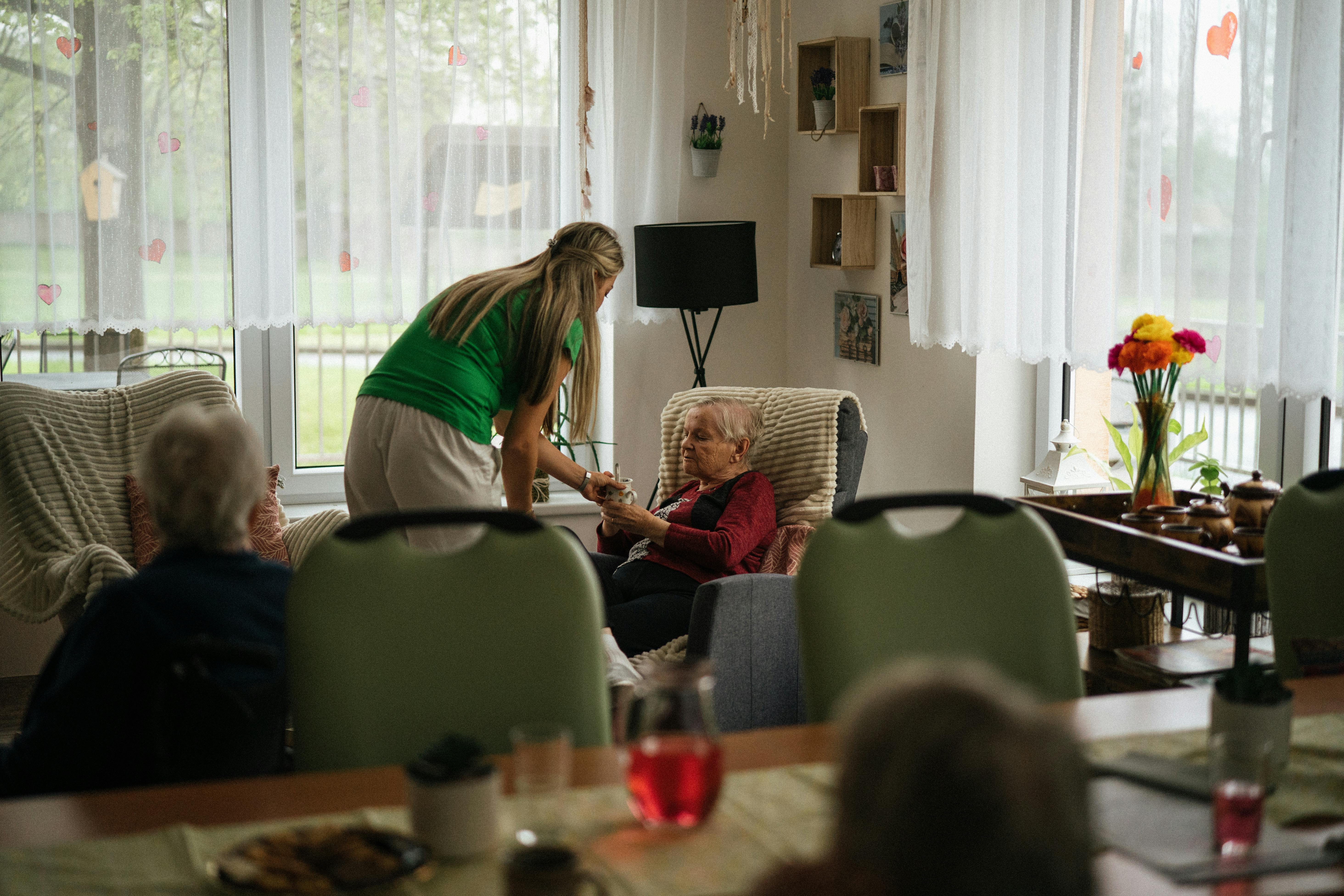
In today’s fast-paced world, the demand for home care services has seen a significant rise, driven by factors such as an aging population, increased chronic health conditions, and the preference for personalized in-home care over institutionalized settings. Home care companies play a vital role in bridging the gap between hospital care and home living, providing necessary support and ensuring quality of life for individuals who need assistance with daily activities. The role of a home care company extends beyond mere service provision; it encompasses the creation of a supportive environment where clients feel safe, valued, and comfortable. This article delves into the multifaceted responsibilities of a home care company and how they adapt to meet the evolving needs of their clients.
Comprehensive Care Services
Home care companies offer a wide range of services tailored to the unique needs of each client. These services are designed to promote independence while ensuring safety and comfort.
- Personal Care: Assisting with daily activities such as bathing, dressing, and grooming.
- Medical Support: Coordinating with healthcare professionals to manage medications and monitor health conditions.
- Companionship: Providing emotional support and social interaction to enhance mental well-being.
- Specialized Care: Catering to individuals with specific conditions such as Alzheimer’s, dementia, or post-operative recovery.
For more detailed insights into these services, discover expert strategies here.
Customized Care Plans
Every individual has unique needs, and home care companies understand the importance of tailoring care plans to meet these specific requirements. Key elements of customized care plans include:
- Assessment: Conducting thorough evaluations to understand the client’s health status and personal preferences.
- Collaboration: Working closely with family members and healthcare providers to develop a cohesive care strategy.
- Flexibility: Adapting care plans as the client’s needs change over time.
To learn about our tailored solutions, click here.
The Importance of Professional Caregivers
Qualifications and Training
Professional caregivers are the backbone of any home care company. Their expertise and compassionate approach significantly impact the quality of care provided. Essential aspects include:
- Certification: Caregivers should possess relevant certifications in healthcare and personal support.
- Ongoing Training: Regular training sessions ensure caregivers are up-to-date with the latest care techniques and safety protocols.
- Empathy and Communication: Strong interpersonal skills are crucial for building trust and understanding with clients.
Explore advanced guides and tips on the importance of professional caregivers by visiting this page.
Technological Integration in Home Care
Embracing technology is essential for modern home care companies to enhance service delivery and improve client outcomes.
- Telehealth: Enables remote monitoring and virtual consultations with healthcare professionals.
- Care Management Software: Streamlines scheduling, record-keeping, and communication between caregivers and clients.
- Assistive Devices: Utilization of technology such as fall detection systems to ensure client safety.
Find out more about this approach and its benefits by visiting our website.
Conclusion
The role of a home care company is integral to the health and well-being of many individuals who require support in their daily lives. By offering comprehensive services, customizing care plans, employing professional caregivers, and integrating technology, these companies ensure that clients receive the highest standard of care in the comfort of their own homes. As the demand for home care continues to grow, the sector will undoubtedly evolve, adopting innovative practices and solutions to meet the diverse needs of its clientele. For those seeking further information on how home care companies can assist, explore our resources.
About the Author