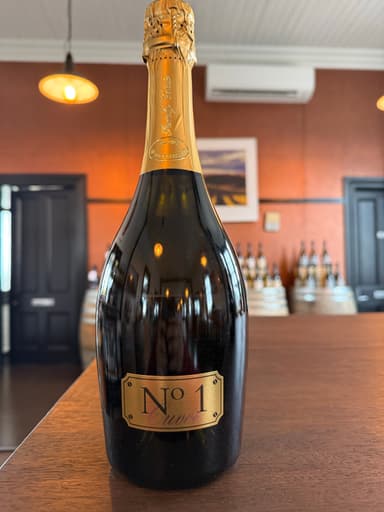
Nestled in the historic heart of Blenheim, the wine bar scene offers a unique blend of relaxed ambience, expertly curated wine selections, and a sense of place that reflects the region’s viticultural heritage. Whether a seasoned oenophile or a casual visitor, exploring these establishments provides insight into the local terroir, culinary pairings, and the social fabric that makes the town a destination for wine lovers. This guide outlines the key elements that define a charming wine bar experience in Blenheim, from atmosphere and menu design to service philosophy and community integration.
Atmospheric Elements that Define a Charming Wine Bar
A compelling wine bar balances aesthetics with comfort, creating a setting that invites lingering conversation and thoughtful tasting. The following characteristics are commonly observed in the most memorable venues:
- Architectural Context: Many bars are housed in heritage buildings, featuring exposed brick, timber beams, or reclaimed stone that echo the town’s colonial past.
- Lighting: Soft, warm lighting, often achieved with pendant lamps or candlelight, enhances the visual appeal of the wine and encourages a relaxed mood.
- Seating Variety: A mix of intimate booths, communal tables, and high stools accommodates both private groups and larger gatherings.
- Artistic Touches: Local artwork, wine barrel d??cor, and subtle nods to regional winemaking traditions add authenticity.
For readers interested in deeper design principles, Read more about this topic.
Curated Wine Selections
Selection is the cornerstone of any wine bar. In Blenheim, the focus typically lies on showcasing the diversity of the surrounding vineyards while also offering international options for contrast.
Local Emphasis
- Single-vineyard Pinot Noir and Chardonnay that highlight microclimate nuances.
- Limited-edition releases from boutique producers, often available by the glass.
- Vertical tastings that allow patrons to experience a winery’s evolution over multiple vintages.
International Pairings
- Classic Old World selections such as Bordeaux blends and Italian whites to complement local flavors.
- Emerging New World regions offering fresh perspectives on traditional varietals.
- Occasional themed nights focusing on a specific country or region.
To explore how wine lists are structured for optimal guest experience, Learn more in this detailed guide.
Food and Small Plates: Enhancing the Tasting Journey
While wine is the star, thoughtfully paired small plates elevate the overall experience. Typical offerings include:
- Artisanal cheese boards featuring local dairy producers.
- Charcuterie selections with cured meats that complement robust reds.
- Seasonal tapas such as grilled seafood, mushroom crostini, and heirloom vegetable plates.
- Dessert bites, dark chocolate, berry compotes, or almond tarts, that harmonize with dessert wines.
These menus are often designed to be shareable, encouraging conversation and exploration. For insights into pairing strategies, Explore further insights here.
Service Philosophy and Staff Expertise
A knowledgeable staff can transform a casual visit into an educational experience. Key aspects of service in top-tier wine bars include:
- Sommelier Presence: On-hand experts guide guests through the list, suggest pairings, and share stories about the vineyards.
- Transparent Pricing: Clear glass and bottle pricing, often displayed on menus, helps guests make informed choices.
- Interactive Tastings: Opportunities for guests to sample flights, attend tasting workshops, or join guided tours of local wineries.
- Attentive Yet Unobtrusive: Staff monitor tables discreetly, ensuring glasses are refreshed without interrupting conversation.
For a deeper look at hospitality standards in wine-focused venues, Find additional information here.
Community Integration and Cultural Events
Wine bars in Blenheim often serve as cultural hubs, reflecting the town’s vibrant community life. Regular events may include:
- Live acoustic music or jazz evenings that complement the relaxed atmosphere.
- Local artist showcases, providing a platform for painters, photographers, and sculptors.
- Educational sessions such as winemaking masterclasses, vineyard tours, and food-wine pairing seminars.
- Seasonal celebrations aligned with regional harvest festivals.
These activities foster a sense of belonging and encourage repeat visitation. To understand how event programming can enhance a venue’s appeal, Read more about this topic.
Practical Tips for First-Time Visitors
For those planning their inaugural visit to a Blenheim wine bar, consider the following recommendations to maximize enjoyment:
- Reserve Ahead: Popular spots can fill quickly, especially on weekends or during wine festivals.
- Start with a Flight: Sampling a curated selection allows you to discover personal preferences before committing to a full bottle.
- Ask About Food Pairings: Staff can suggest plates that enhance the flavors of your chosen wine.
- Dress Comfortably: While most venues maintain a relaxed dress code, smart-casual attire is generally appropriate.
- Plan Transportation: Designated driver options or local taxi services ensure a safe return after tasting.
For a comprehensive guide on navigating wine bar etiquette, Learn more in this detailed guide.
Conclusion
The charm of Blenheim’s wine bars lies in their ability to blend local heritage, curated wine experiences, and a welcoming community atmosphere. By focusing on thoughtful design, diverse selections, knowledgeable service, and cultural engagement, these venues provide more than a drink, they offer a memorable journey through the region’s viticultural story. Whether seeking a quiet corner for contemplation or a lively space for socializing, visitors will find that the wine bars of Blenheim embody a distinct elegance that reflects both the land and its people.
About the Author