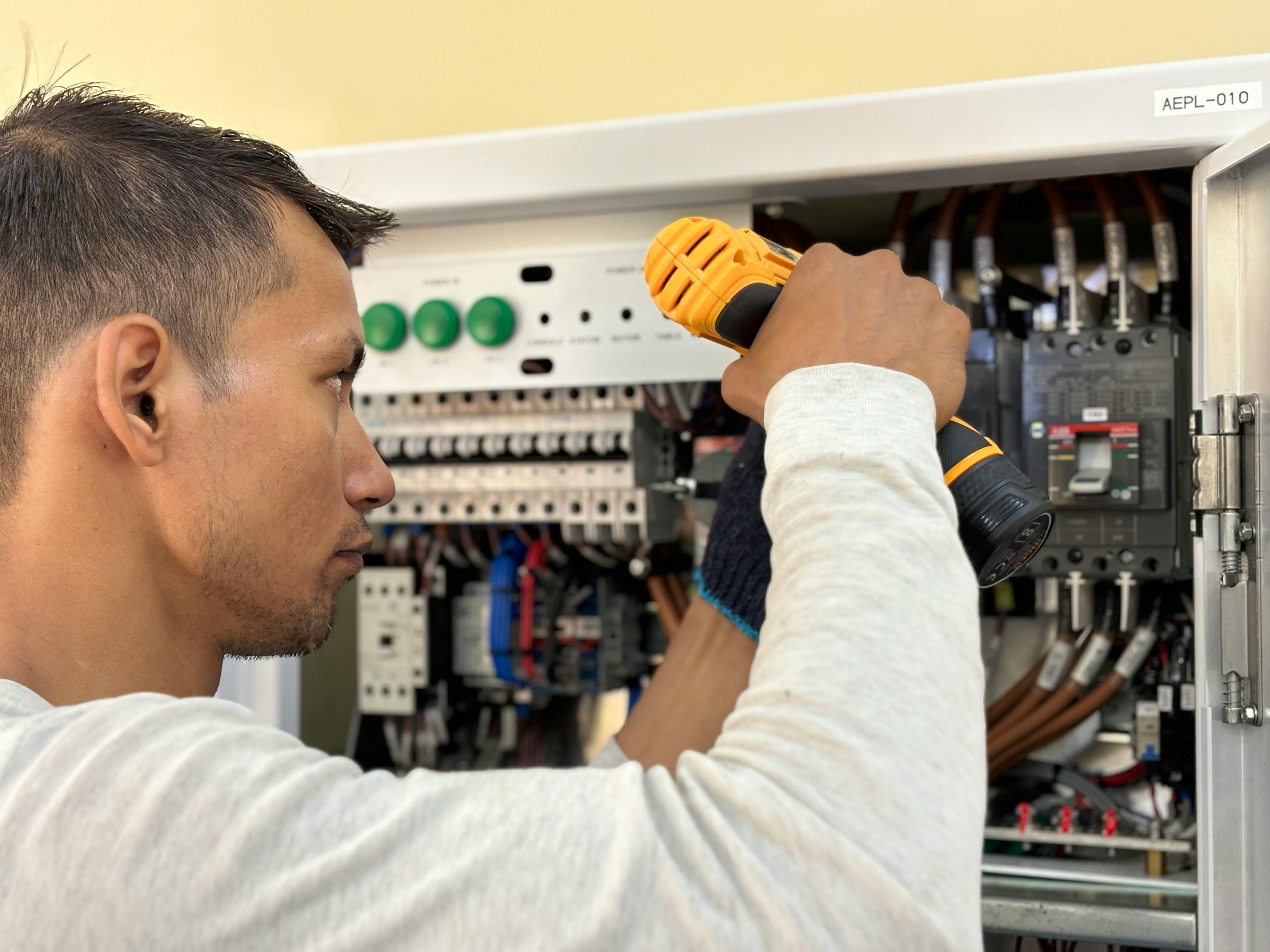
Finding a reliable electrician who can handle both residential and commercial projects can be a daunting task. Electrical systems are the backbone of any building, and the safety, efficiency, and longevity of those systems depend on the expertise of a qualified professional. This article outlines the key considerations when selecting an electrician, the range of services typically offered, and best practices for maintaining electrical installations in homes and businesses.
Why Professional Qualifications Matter
Electrical work is highly regulated to ensure safety and compliance with local codes. A qualified electrician possesses the following credentials:
- Licensure issued by the appropriate state or local authority.
- Completion of an apprenticeship or formal trade program.
- Continuing education to stay current with evolving codes and technologies.
These qualifications guarantee that the electrician understands the complexities of wiring, grounding, and circuit protection. For a deeper dive into licensing requirements, Read more about this topic.
Core Services for Residential Clients
Homeowners typically need electricians for a variety of tasks, ranging from routine maintenance to major upgrades. Key residential services include:
- Electrical Repairs: Diagnosing and fixing faulty outlets, breakers, or lighting fixtures.
- Lighting Design & Installation: Implementing energy-efficient LED solutions, dimmers, and smart lighting controls.
- Panel Upgrades: Replacing outdated breaker panels to accommodate modern power demands.
- Home Automation: Integrating smart home devices, security systems, and voice-controlled interfaces.
- Safety Inspections: Conducting thorough checks to identify potential hazards before they become serious issues.
Understanding the scope of these services can help homeowners plan budgets and timelines more effectively. For additional guidance on residential electrical upgrades, Learn more in this detailed guide.
Core Services for Commercial Clients
Commercial properties present unique electrical challenges due to higher loads, complex systems, and stricter compliance standards. Typical commercial services include:
- Power Distribution: Designing and installing three-phase systems, subpanels, and dedicated circuits for heavy equipment.
- Lighting Retrofits: Upgrading to high-efficiency lighting to reduce operating costs and meet sustainability goals.
- Emergency Power: Installing generators, UPS systems, and battery backups to maintain operations during outages.
- Data & Communication Cabling: Integrating structured wiring for networking, VoIP, and security systems.
- Code Compliance Audits: Ensuring that all installations meet OSHA, NEC, and local building codes.
Commercial projects often require coordination with architects, engineers, and building managers. To explore how these collaborations typically unfold, Explore further insights here.
Evaluating Experience and Reputation
Beyond credentials, evaluating an electrician’s experience is essential. Consider the following factors:
Project Portfolio
- Length of time the electrician has been active in the industry.
- Examples of similar residential or commercial projects.
- Specializations such as renewable energy integration or industrial automation.
Insurance and Guarantees
- Proof of general liability and workers’ compensation coverage.
- Written warranties on labor and installed components.
These elements help ensure that the electrician can manage unexpected challenges and protect the client’s investment. For a checklist of what to verify before hiring, Find additional information here.
Cost Considerations and Transparency
Transparent pricing builds trust and prevents surprise charges. When requesting estimates, ask for:
- Itemized breakdown of labor, materials, and permit fees.
- Clear terms regarding change orders or additional work.
- Payment schedule aligned with project milestones.
Comparing multiple quotes can reveal market rates and help identify any unusually low or high offers. Detailed cost guides are available for reference; Read more about this topic.
Maintenance Strategies for Longevity
Proactive maintenance reduces downtime and extends the life of electrical systems. Recommended practices include:
- Annual visual inspections of wiring, connections, and panels.
- Testing of ground fault circuit interrupters (GFCIs) and arc-fault circuit interrupters (AFCIs).
- Cleaning of dust-prone components such as fan motors and switchgear.
- Scheduled testing of emergency power systems.
Implementing a maintenance schedule can also simplify compliance with insurance and regulatory requirements. For a printable maintenance checklist, Learn more in this detailed guide.
Choosing the Right Electrician Near You
When the search narrows to local professionals, consider the following final steps:
- Verify that the electrician’s license is active and matches the scope of work.
- Ask for references from recent residential or commercial projects.
- Confirm that the electrician is familiar with local building codes and utility requirements.
- Ensure clear communication channels for project updates and post-installation support.
By following these guidelines, property owners can confidently select an electrician who delivers safe, efficient, and code-compliant solutions. For a comprehensive overview of best practices in selecting electrical professionals, Explore further insights here.
About the Author