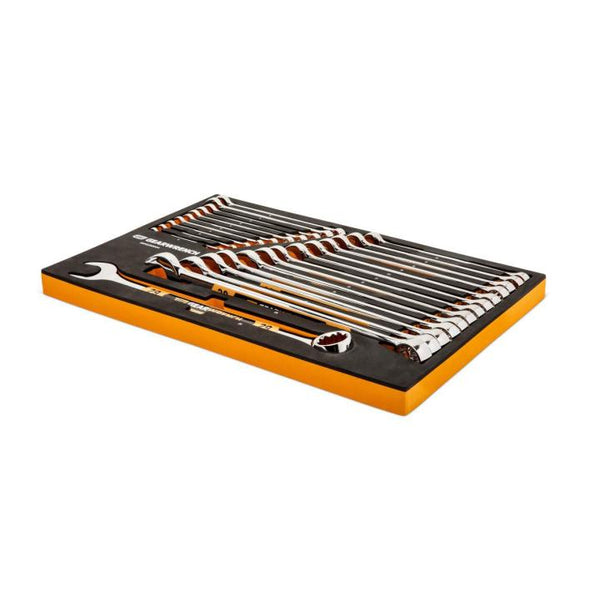
When tackling automotive repairs, the right set of tools can mean the difference between a smooth job and a frustrating ordeal. Complete mechanic tool kits are designed to provide every essential item a technician might need, from routine maintenance to complex diagnostics. By investing in a comprehensive kit, technicians reduce downtime, improve safety, and ensure consistent results across a wide range of repair scenarios. This article explores the key components of a well-rounded mechanic tool kit, how to select the appropriate set for specific tasks, and best practices for maintaining the tools over time.
Core Components of a Complete Mechanic Tool Kit
A fully stocked kit typically includes hand tools, power tools, diagnostic equipment, and specialty items. Each category serves a distinct purpose and together they create a versatile toolbox capable of handling most automotive challenges.
Hand Tools
- Wrenches and Ratchets: Combination, open-ended, and adjustable wrenches in metric and SAE sizes, plus a range of ratchets with interchangeable sockets.
- Screwdrivers: Flat-head, Phillips, Torx, and specialty drivers for fasteners found in engines, interiors, and electrical systems.
- Pliers: Needle-nose, slip-joint, locking, and cutting pliers for gripping, bending, and trimming wires or hoses.
- Hammers and Mallets: Ball-peen, rubber, and dead-blow hammers for striking without damaging components.
Power Tools
- Impact Wrenches: Cordless or pneumatic models for quick removal of lug nuts and bolts.
- Drills and Drivers: Variable-speed drills with a set of drill bits and driver bits for mounting and disassembly work.
- Air Compressors: Portable units that supply consistent airflow for pneumatic tools and tire inflation.
Diagnostic Equipment
- OBD-II Scanners: Scan tools that read fault codes, view live data streams, and perform bi-directional tests.
- Multimeters: Digital meters for measuring voltage, resistance, and continuity in electrical circuits.
- Battery Testers: Devices that assess charge level, cranking amps, and overall health of automotive batteries.
Specialty Items
- Torque Wrenches: Click-type or digital torque wrenches calibrated to manufacturer specifications.
- Fluid Extraction Tools: Pumps and suction devices for draining oil, coolant, and transmission fluid.
- Brake Service Tools: Caliper pistons, brake bleeder kits, and disc resurfacing tools.
- Engine Hoists and Stands: Equipment for safely supporting engines during removal or overhaul.
Choosing the Right Kit for Specific Repair Jobs
Not every repair requires the full breadth of a master kit. Understanding the scope of the work helps in selecting a subset that balances cost and capability.
Routine Maintenance
- Oil changes, filter replacements, and tire rotations typically need basic hand tools, a socket set, and a torque wrench.
- For quick diagnostics, a handheld OBD-II scanner provides sufficient insight.
- Refer to a comprehensive guide for maintenance best practices. Read more about this topic.
Brake and Suspension Work
- Specialty sockets for caliper bolts, a brake bleeder kit, and a set of pry bars are essential.
- Suspension repairs benefit from impact wrenches and torque wrenches calibrated to suspension specifications.
- Detailed procedures can be found in technical manuals. Learn more in this detailed guide.
Engine Overhaul and Performance Tuning
- Engine hoists, torque wrenches, and a full range of metric and SAE sockets become indispensable.
- Precision diagnostics require advanced OBD-II tools capable of bi-directional control.
- For in-depth information on engine rebuilds, explore additional resources. Explore further insights here.
Maintenance and Longevity of Your Tool Kit
Proper care extends the life of tools and preserves accuracy, especially for calibrated instruments like torque wrenches.
- Cleaning: Wipe down tools after each use to remove oil, dirt, and debris. Use solvent-free cleaners on precision tools.
- Storage: Keep tools in a dry, organized rack or toolbox. Use foam inserts to protect delicate items.
- Calibration: Periodically verify torque wrench settings with a calibrated tester to maintain accuracy.
- Inspection: Check for worn or damaged sockets, cracked handles, and corroded fasteners before each job.
- Guidelines for tool upkeep are available in industry publications. Find additional information here.
Optimizing Workflow with a Complete Kit
Having all necessary tools within arm’s reach reduces the need to pause for additional equipment, improving efficiency and safety.
- Standardized Layout: Arrange tools by size and function to speed up selection.
- Job-Specific Sub-Kits: Assemble smaller kits for common tasks (e.g., tire service, brake work) to streamline preparation.
- Documentation: Keep a checklist of kit contents and update it after each use to ensure nothing is misplaced.
Conclusion
A thoughtfully assembled mechanic tool kit equips technicians to handle a broad spectrum of automotive repairs with confidence. By understanding the essential components, selecting the right subset for each job, and committing to regular maintenance, professionals can achieve consistent results while minimizing downtime. Investing time in organizing and preserving the toolkit ultimately translates into higher productivity and safer work environments.
About the Author