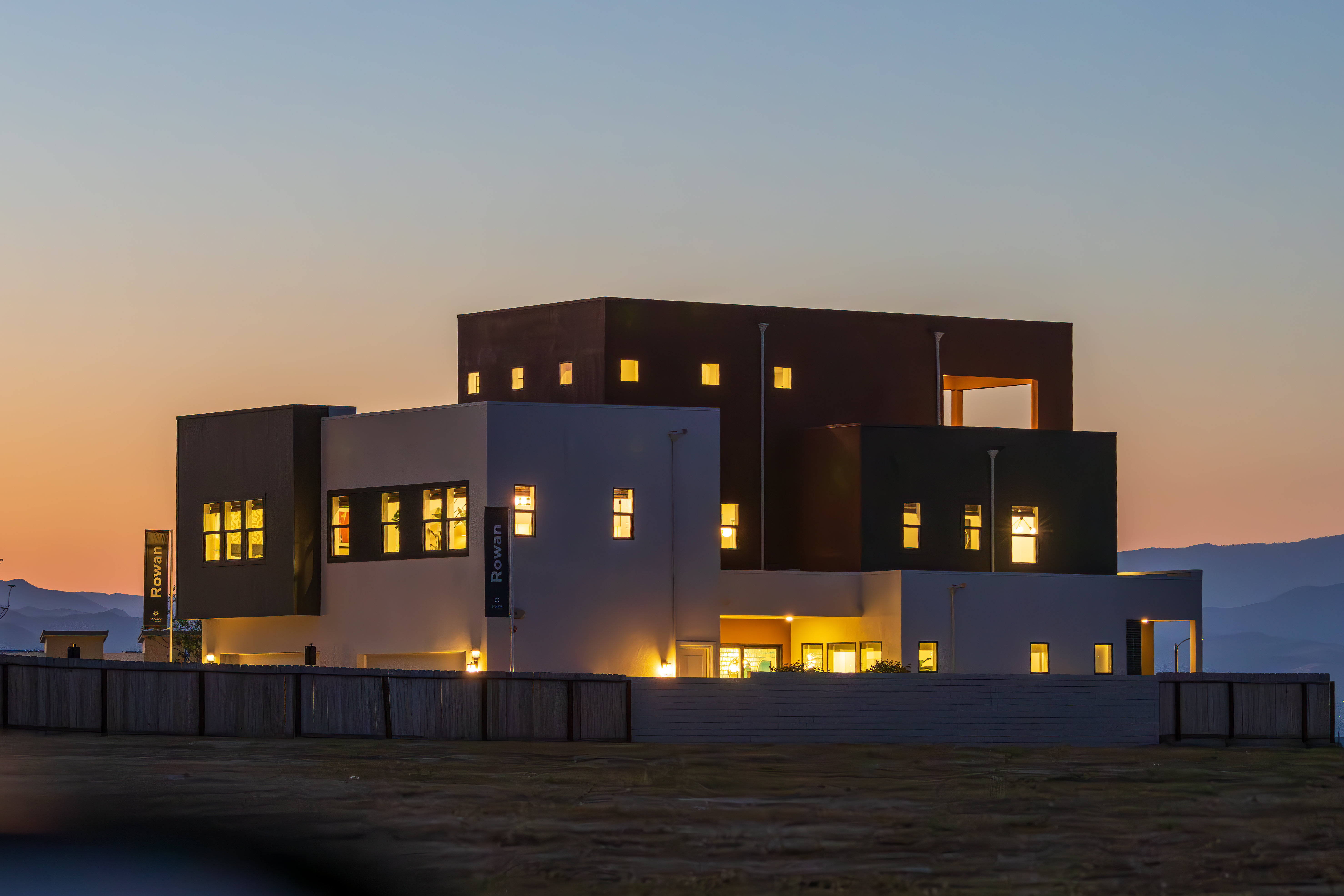
Custom residential homes have evolved from simple structures to sophisticated works of art that reflect the unique lifestyle, preferences, and functional needs of each homeowner. In today’s market, top custom home builders combine cutting-edge technology, sustainable practices, and timeless design principles to create residences that stand out both aesthetically and structurally. This article explores the essential elements of custom home design, the process of collaborating with elite builders, and the latest trends that define modern luxury living.
Key Elements of a Successful Custom Home Design
1. Site Analysis and Orientation
- Understanding topography, soil conditions, and natural light patterns.
- Optimizing views and privacy while preserving the surrounding environment.
- Integrating passive solar design to reduce energy consumption.
2. Architectural Style and Personalization
- Choosing a style, modern, contemporary, craftsman, or hybrid, that aligns with the client’s vision.
- Incorporating custom detailing such as unique façade materials, rooflines, and window configurations.
- Allowing flexibility for future modifications or expansions.
3. Interior Layout and Flow
- Designing open-concept spaces that enhance connectivity between living, dining, and kitchen areas.
- Strategically placing private zones (bedrooms, home offices) to ensure acoustic separation.
- Utilizing multi-functional rooms that adapt to evolving lifestyle needs.
4. Sustainable Materials and Systems
- Specifying low-VOC paints, reclaimed wood, and recycled metal fixtures.
- Integrating high-efficiency HVAC, geothermal heating, and solar panels.
- Implementing water-saving fixtures and rainwater harvesting systems.
Choosing the Right Custom Home Builder
Partnering with a reputable builder is as crucial as the design itself. Elite builders bring extensive experience, a network of skilled tradespeople, and a commitment to quality control that ensures every detail meets exacting standards.
- Portfolio Review – Examine completed projects to gauge craftsmanship and design versatility.
- Transparent Process – Look for builders who outline each phase, from permitting to final walkthrough.
- Client Communication – Consistent updates and collaborative decision-making foster trust.
- Warranty and After-Care – Comprehensive warranties protect the investment long after occupancy.
For deeper insight into selecting a builder that aligns with these criteria, Discover expert strategies here.
Integrating Technology and Smart Home Features
Modern custom homes increasingly incorporate intelligent systems that enhance comfort, security, and energy efficiency. When planning a new residence, consider the following integrations:
- Home automation hubs controlling lighting, climate, and entertainment.
- Advanced security suites with facial recognition and remote monitoring.
- Smart appliances that adapt to usage patterns and reduce waste.
- Integrated wiring for future upgrades, such as 5G or fiber optic networks.
Builders who stay abreast of emerging tech can seamlessly embed these features during construction. Learn about our tailored solutions to see how these innovations can be woven into a custom build.
Current Design Trends Shaping Luxury Residences
Biophilic Design
Connecting indoor spaces with nature through living walls, large glass panels, and indoor gardens promotes well-being and reduces stress.
Minimalist Luxury
Clean lines, uncluttered spaces, and high-quality finishes create an atmosphere of understated elegance.
Multi-Generational Living
Separate yet connected suites, private entrances, and adaptable floor plans accommodate extended families and aging parents.
Outdoor-Indoor Flow
Expansive patios, rooftop decks, and seamless transitions between interior rooms and exterior living areas extend usable square footage.
To explore more on how these trends can be personalized, Explore advanced guides and tips.
Project Management Best Practices
- Establish a detailed schedule with milestones for design, permitting, and construction phases.
- Utilize Building Information Modeling (BIM) to visualize and coordinate trades before ground breaking.
- Maintain a clear budget with contingencies for unexpected site conditions.
- Conduct regular site inspections and progress meetings to address issues promptly.
Effective project oversight minimizes delays and ensures the final home reflects the original vision. Find out more about this approach for a smoother build experience.
Conclusion
Designing a custom residential home with top-tier builders blends artistry, engineering, and strategic planning. By focusing on site-specific design, sustainable materials, advanced technology, and meticulous project management, homeowners can achieve a residence that not only meets their immediate needs but also adapts to future lifestyle changes. Engaging with experienced professionals who prioritize transparency, innovation, and quality guarantees a home that stands as a lasting testament to personal style and modern craftsmanship.
About the Author