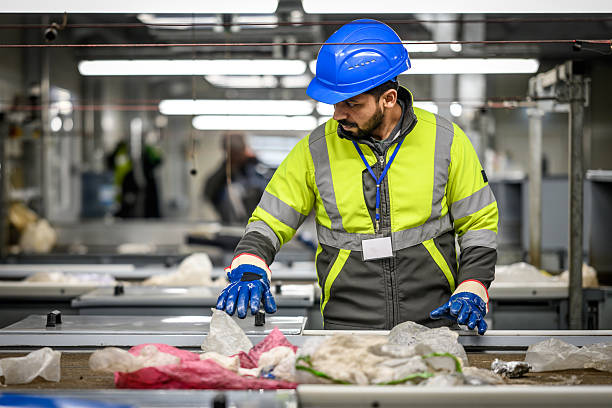
Business waste services play a crucial role in minimizing a company’s environmental impact. As more organizations focus on sustainability and reducing their carbon footprint, it’s essential to understand the importance of proper waste management. One of the primary concerns is the disposal of hazardous waste, which can have severe consequences on the environment if not handled correctly. To address this issue, many companies are turning to specialized services that cater to their waste management needs.
Understanding Hazardous Waste
Hazardous waste is any substance or material that poses a threat to human health and the environment. It can be in the form of chemicals, electronics, or even construction materials. When not disposed of properly, hazardous waste can contaminate soil and water sources, leading to long-term damage. To mitigate this risk, it’s essential to identify and segregate hazardous waste from regular waste streams. This can be done by implementing a waste sorting system or partnering with a service provider that specializes in hazardous waste management.
Segregating Hazardous Waste
Segregating hazardous waste is a critical step in minimizing environmental impact. This can be achieved by implementing a color-coded system, where different categories of waste are labeled and stored separately. For instance, batteries, electronics, and chemicals can be stored in designated areas, away from regular waste. This helps prevent cross-contamination and ensures that hazardous waste is handled and disposed of according to regulations.
- Designate specific areas for hazardous waste storage
- Implement a color-coded system for waste segregation
- Train staff on proper waste handling and disposal procedures
The Importance of Recycling
Recycling is another crucial aspect of minimizing environmental impact. By recycling materials such as paper, plastic, and glass, companies can reduce their waste output and lower their carbon footprint. However, recycling requires careful planning and execution to ensure that materials are processed correctly and reused effectively. For instance, some materials may require specialized processing or sorting before they can be recycled.
For more information on effective recycling practices, consult the Waste Reduction and Recycling Guide for detailed insights.
Reducing Food Waste
Food waste is a significant contributor to environmental pollution, with an estimated 30% of food produced globally being lost or wasted. To combat this issue, companies can implement food waste reduction strategies, such as reducing food packaging, donating excess food to charities, or composting food waste. By reducing food waste, companies can lower their environmental impact and contribute to a more sustainable future.
Learn more about food waste reduction strategies and best practices in the Food Waste Reduction and Management Guide.
Conclusion
In conclusion, business waste services play a vital role in minimizing environmental impact. By understanding hazardous waste, segregating it from regular waste streams, and implementing effective recycling and food waste reduction strategies, companies can reduce their carbon footprint and contribute to a more sustainable future. By partnering with specialized service providers and staying informed about best practices, companies can ensure that their waste management practices are aligned with their environmental goals.
For further insights and guidance on sustainable waste management practices, explore the resources available at Wastereleaf and consult the Waste Reduction and Recycling Guide for detailed information.
About the Author


