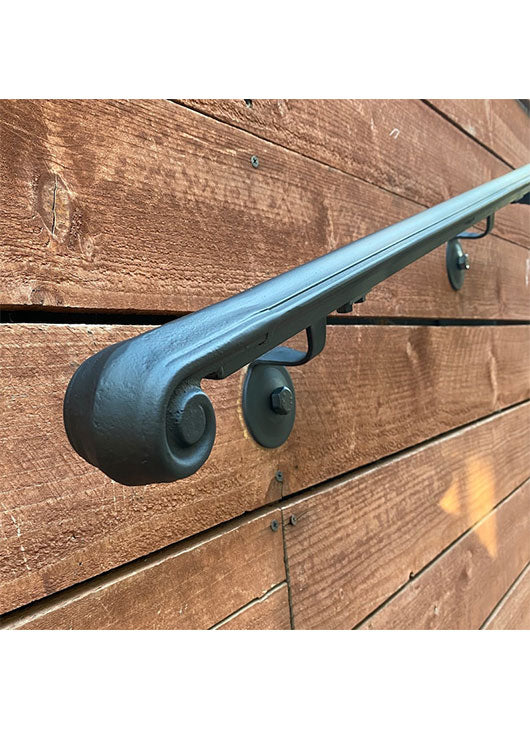
Choosing the right metal handrail for a home is more than a matter of aesthetics; it involves safety, durability, and seamless integration with existing décor. Homeowners often face a maze of material options, finish choices, and installation methods. This guide breaks down the essential factors to consider, helping you make an informed decision that enhances both function and style.
Understanding Material Options
Metal handrails come in several common alloys, each offering distinct benefits:
- Stainless Steel: Highly resistant to corrosion, ideal for humid climates and outdoor staircases.
- Aluminum: Lightweight and easy to fabricate, perfect for modern designs that require sleek lines.
- Wrought Iron: Offers classic, ornamental appeal but requires regular maintenance to prevent rust.
- Carbon Steel: Strong and cost-effective, best when coated with protective finishes.
When evaluating options, consider the environment where the handrail will be installed. For example, a coastal home may benefit most from stainless steel, while a minimalist interior might favor aluminum’s clean profile.
Key Design Considerations
Height and Grip Diameter
Safety codes typically require a handrail height of 34-38 inches (86-97 cm) above the stair nosing, with a grip diameter of 1.25-1.5 inches (3.2-3.8 cm). Ensuring these dimensions are met not only satisfies regulations but also provides comfortable support for users of all ages.
Finish and Maintenance
The finish you choose impacts both visual appeal and longevity:
- Powder-coated finishes resist scratches and are available in a wide color palette.
- Brushed or polished surfaces highlight the metal’s natural sheen while offering moderate protection.
- Galvanized coatings add an extra layer of corrosion resistance, especially for outdoor applications.
For a deeper dive into finish options, Explore advanced guides and tips on selecting the appropriate coating for your climate and design goals.
Installation Methods
Proper installation is crucial for the handrail’s structural integrity. The two most common methods are:
- Surface-Mounted: Brackets attach directly to the wall or stair stringer, allowing for straightforward retrofits.
- Embedded: Handrail sections are set into a groove or channel, offering a cleaner look but requiring more extensive carpentry.
Choosing the right method depends on the existing stair construction and the desired aesthetic. Professional installers often recommend pre-drilling pilot holes to avoid splitting wood or cracking concrete.
Matching Handrails to Home Style
Integrating a metal handrail with your home’s interior design can elevate the overall ambience. Consider the following pairings:
- Modern Minimalist: Slim aluminum rail with a matte black powder coat complements glass balustrades.
- Traditional Craftsman: Wrought iron with decorative scrollwork pairs well with wooden stair treads.
- Industrial Loft: Raw stainless steel, left unfinished or lightly brushed, enhances exposed brick and concrete.
For inspiration on how specific styles can be achieved, Discover expert strategies here and see real-world examples of successful installations.
Budgeting and Cost Factors
While metal handrails are an investment, understanding cost drivers helps keep the project within budget:
- Material price per linear foot (stainless steel > aluminum > carbon steel).
- Finish complexity (custom powder-coat colors may add a premium).
- Installation labor, embedded systems typically cost more than surface-mounted.
- Additional hardware such as brackets, end caps, and mounting plates.
Many suppliers provide detailed pricing calculators. To compare options and obtain transparent pricing, Learn about our tailored solutions that break down each cost component.
Maintenance Tips for Longevity
Regular upkeep ensures the handrail remains safe and visually appealing:
- Wipe down with a mild detergent and soft cloth every few months to remove dust and grime.
- Inspect mounting brackets and fasteners for looseness; tighten as needed.
- Reapply protective coating every 3-5 years for outdoor installations.
- Address scratches promptly, small abrasions can become rust initiation points on steel.
Final Thoughts
Selecting the right metal handrail involves balancing safety standards, material performance, design harmony, and budget constraints. By evaluating the environment, finish preferences, installation method, and long-term maintenance, homeowners can choose a handrail that not only meets code but also enhances the aesthetic narrative of the home. For a comprehensive selection of high-quality handrails that align with these guidelines, Find out more about this approach and explore the curated collection tailored for diverse residential projects.
About the Author
