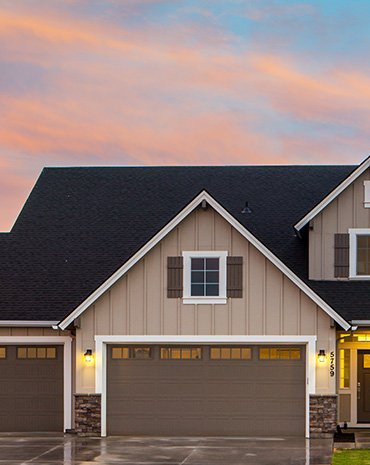
Accurate property measurement is crucial in various fields, including real estate, architecture, and urban planning. The Boma calculation is a reliable method used to determine the precise area of a property. This calculation involves a series of steps and considerations that require attention to detail and a thorough understanding of the property’s features. By following the steps outlined in this article, property owners and professionals can ensure accurate measurements and make informed decisions.
Understanding Boma Calculations
Boma calculations involve measuring the exterior of a property, taking into account any obstacles or irregularities. The calculation is based on the property’s actual dimensions, rather than its perceived size. This approach ensures that the measurement is accurate and reliable, even in cases where the property’s layout is complex or irregular.
For instance, a property with a unique architectural design or a non-rectangular shape may require a more detailed Boma calculation. In such cases, it’s essential to use a comprehensive guide or consult with an expert who has experience with tailored solutions, such as those offered at Discover expert strategies here.
Step 1: Gather Essential Information
The first step in performing a Boma calculation is to gather essential information about the property. This includes its location, size, and any notable features. It’s also essential to have accurate maps or plans of the property, which can be obtained from various sources, including Learn about our tailored solutions and other online resources.
- Identify the property’s boundaries and any obstacles, such as trees or buildings.
- Measure the property’s dimensions, including its length, width, and any irregularities.
- Take note of any notable features, such as a pool or a patio.
Step 2: Calculate the Property’s Area
Once the essential information is gathered, the next step is to calculate the property’s area. This involves using a formula that takes into account the property’s dimensions and any irregularities. The calculation should be based on the property’s actual dimensions, rather than its perceived size.
For example, a property with a rectangular shape and a length of 50 meters and a width of 20 meters would have an area of 1000 square meters. However, if the property has a non-rectangular shape or any obstacles, the calculation would need to take these factors into account. In such cases, it’s essential to use a comprehensive guide or consult with an expert who has experience with advanced guides and tips, such as those offered at Explore advanced guides and tips.
Common Challenges and Solutions
Performing a Boma calculation can be challenging, especially when dealing with complex or irregular properties. However, with the right approach and tools, the process can be made more efficient and accurate. Some common challenges and solutions include:
- Irregular shapes: Use a formula that takes into account the property’s actual dimensions, rather than its perceived size.
- Obstacles: Measure the property’s dimensions and take note of any obstacles, such as trees or buildings.
- Complex layouts: Use a comprehensive guide or consult with an expert who has experience with tailored solutions.
By following the steps outlined in this article and using the right tools and resources, property owners and professionals can ensure accurate measurements and make informed decisions. For more information on Boma calculations and tailored solutions, visit Find out more about this approach and discover the benefits of using a reliable and accurate measurement method.
About the Author


