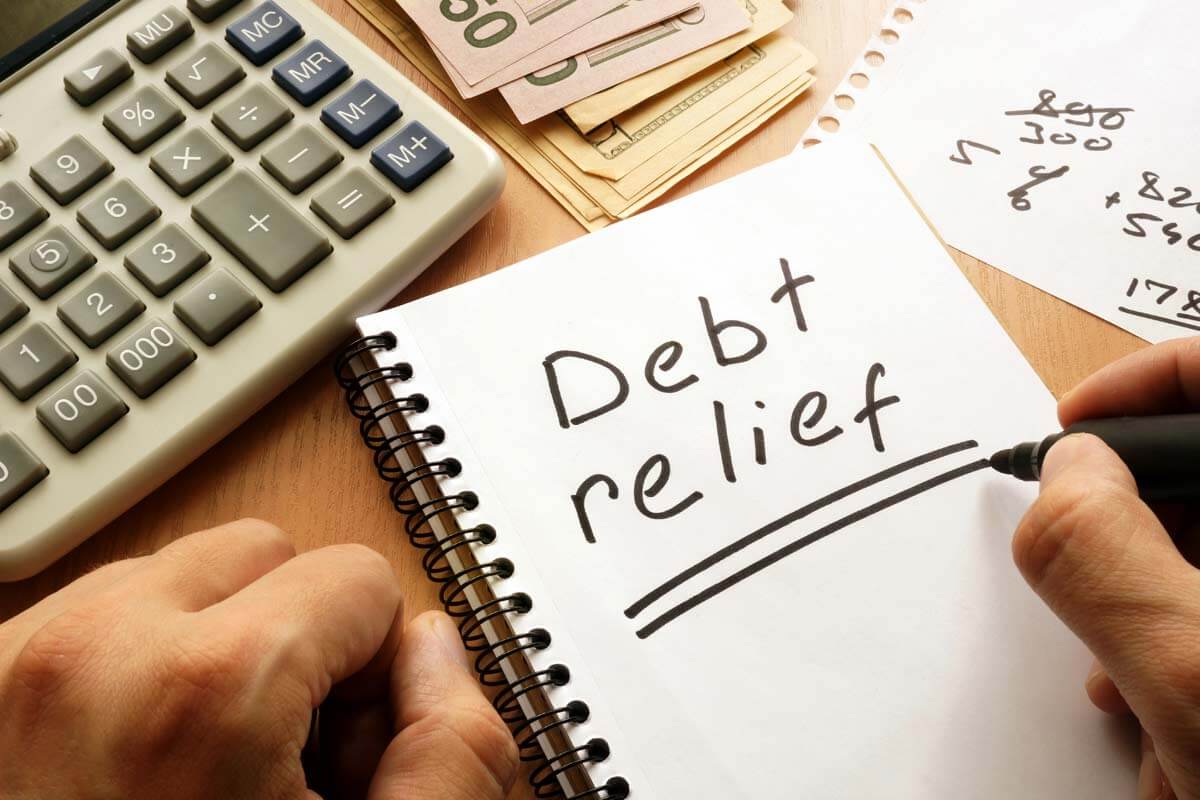
Debt consolidation programs have become an essential tool for individuals looking to manage their financial obligations effectively. By combining multiple debts into a single payment, these programs can simplify the repayment process, potentially lower interest rates, and reduce monthly payments. For those struggling to keep up with their debts, understanding how to utilize debt consolidation programs can be a game-changer. This guide provides a comprehensive overview of debt consolidation, offering practical steps and insights to help individuals make informed decisions about their financial future.
Understanding Debt Consolidation
Debt consolidation involves merging multiple debts into a single loan or payment plan. This approach is particularly beneficial for individuals managing diverse debts with varying interest rates and repayment terms. The goal is to streamline payments, making it easier to manage finances and potentially saving money over time.
Benefits of Debt Consolidation
- Reduces the number of payments to track each month.
- Potentially lowers overall interest rates.
- Improves credit score by maintaining consistent payments.
- Simplifies budgeting and financial planning.
To gain deeper insights into how debt consolidation can aid in financial management, discover expert strategies here.
Steps to Implementing a Debt Consolidation Program
1. Assess Your Financial Situation
Before enrolling in a debt consolidation program, it’s crucial to have a clear understanding of your current financial status. This involves:
- Listing all outstanding debts, including credit cards, personal loans, and other liabilities.
- Calculating the total amount owed and the interest rates on each debt.
- Evaluating your monthly income and expenses to determine disposable income.
By understanding these factors, individuals can better decide on the suitability of debt consolidation for their unique situation. For more tailored solutions, learn about our tailored solutions.
2. Research Debt Consolidation Options
There are several debt consolidation options available, each with its own set of advantages and considerations:
- Debt Consolidation Loans: These are personal loans used to pay off existing debts. They often come with lower interest rates compared to credit cards.
- Balance Transfer Credit Cards: This involves transferring existing debts to a credit card with a 0% introductory interest rate.
- Home Equity Loans/Lines: These loans use home equity as collateral and typically offer lower interest rates.
Each option has distinct features, so it’s essential to explore advanced guides and tips to choose the most suitable one.
3. Apply for the Chosen Program
Once a preferred debt consolidation option is selected, the next step is the application process. This typically involves:
- Completing a loan application and providing necessary documentation.
- Undergoing a credit check by the lender.
- Receiving loan terms and conditions, including interest rates and repayment schedules.
Approval depends on creditworthiness and financial stability. To ensure a smooth process, find out more about this approach to debt management.
Managing Debt Post-Consolidation
Successfully consolidating debt is only part of the journey. It is crucial to maintain financial discipline to prevent falling back into debt. Here are some tips:
- Create a realistic budget and adhere to it.
- Ensure timely payments to improve credit scores.
- Avoid accruing additional debt by managing expenses judiciously.
For ongoing financial health, it’s beneficial to explore advanced guides and tips on maintaining debt-free living.
Conclusion
Debt consolidation can be a powerful tool for managing finances and achieving debt relief. By following the outlined steps and maintaining disciplined financial habits, individuals can simplify their debt, reduce stress, and pave the way to financial freedom. For further resources and support, consider seeking guidance from financial experts and utilizing available tools to make informed decisions.
About the Author