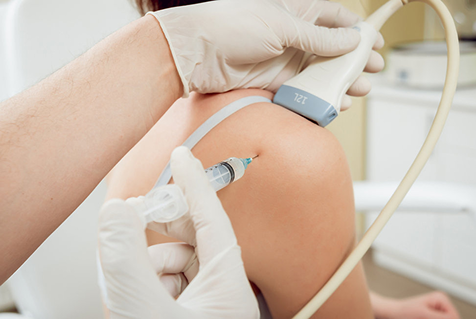
Tissue repair is a critical aspect of healing that involves the restoration of tissue architecture and function after an injury. The body’s natural ability to repair tissue is remarkable, yet sometimes it requires assistance to achieve optimal healing. Evidence-based treatments are essential in ensuring that tissue repair is effective, timely, and minimally invasive. This article delves into various evidence-based treatments that have been scientifically validated to aid tissue repair, providing a comprehensive understanding of the methodologies involved.
Understanding Tissue Repair
Tissue repair is a complex process that involves several stages, including hemostasis, inflammation, proliferation, and remodeling. Each stage plays a crucial role in ensuring that the tissue heals correctly and regains its normal function. The primary goal of tissue repair treatments is to enhance these natural processes, thereby reducing healing time and improving outcomes.
Evidence-Based Treatments
Platelet-Rich Plasma (PRP) Therapy
Platelet-Rich Plasma (PRP) therapy is a popular treatment that utilizes the patient’s own blood components to stimulate healing. This therapy has gained traction due to its minimally invasive nature and effectiveness in treating various injuries. PRP therapy involves:
- Drawing a small amount of the patient’s blood.
- Processing the blood to concentrate the platelets.
- Injecting the platelet-rich plasma into the injured area to promote healing.
Studies have shown that PRP can significantly enhance the healing process, especially in soft tissue injuries. Explore further insights here.
Stem Cell Therapy
Stem cell therapy harnesses the body’s natural ability to repair itself by utilizing stem cells to regenerate damaged tissues. This treatment is particularly effective for:
- Cartilage repair in joints.
- Treating chronic tendon injuries.
- Enhancing the healing of muscle tears.
The use of stem cells in tissue repair is supported by extensive research, which demonstrates their ability to differentiate into various cell types and promote regeneration. Read more about this topic.
Physical Therapy
Physical therapy is a cornerstone of tissue repair, providing both preventive and rehabilitative benefits. It involves:
- Exercise regimens tailored to specific injuries.
- Manual therapy techniques to improve mobility and reduce pain.
- The use of modalities such as heat, ice, and electrical stimulation to accelerate healing.
Physical therapy not only aids in the repair phase but also strengthens the surrounding tissues to prevent future injuries. Find additional information here.
Alternative and Complementary Treatments
In addition to the mainstream treatments, alternative and complementary approaches can support tissue repair. These include:
- Acupuncture, which may help reduce pain and inflammation.
- Massage therapy to improve circulation and reduce scar tissue.
- Herbal supplements that may offer anti-inflammatory properties.
While these treatments can be beneficial, it is essential to consult healthcare professionals to ensure their appropriateness for specific conditions. Learn more in this detailed guide.
Conclusion
The process of tissue repair is integral to recovery from injuries, and evidence-based treatments play a vital role in enhancing this natural process. From modern therapies like PRP and stem cell treatment to traditional methods such as physical therapy, a range of options are available to aid in effective tissue repair. Combining these treatments with lifestyle modifications and professional guidance can significantly improve healing outcomes. As research continues to evolve, the future of tissue repair looks promising, with new techniques and technologies on the horizon.
About the Author