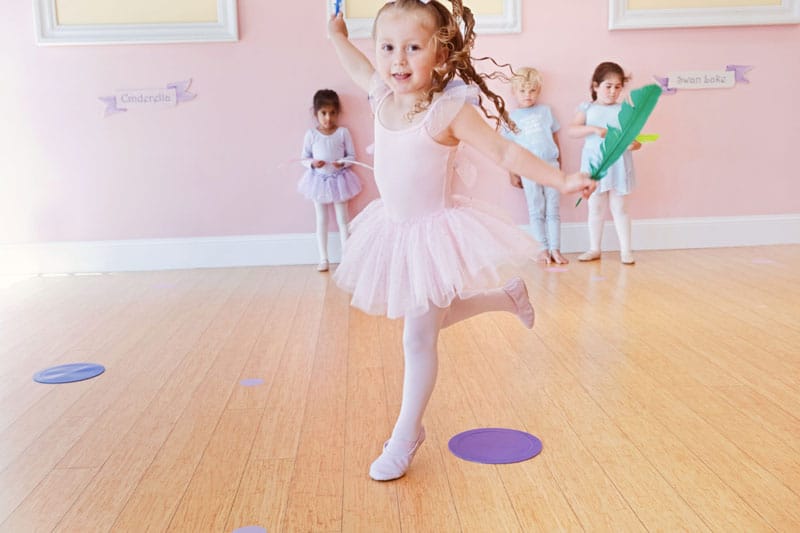
Dance, a universal form of expression, can be a powerful tool for child development, even in the earliest stages of life. Infant dance classes offer a unique opportunity for parents to engage their children in activities that promote physical, cognitive, and social growth. These classes are designed to create a nurturing environment where infants can explore movement, rhythm, and coordination, all while bonding with their caregivers. As more parents seek comprehensive developmental activities for their children, infant dance classes are becoming a popular choice for fostering early growth and development.
Benefits of Dance Classes for Infants
Dance classes for infants offer a range of benefits, supporting various aspects of a child’s development. These classes are not just about learning to dance but are carefully structured to enhance multiple developmental areas:
- Physical Development: Dance helps improve motor skills, balance, and coordination.
- Cognitive Growth: Engaging in dance activities can enhance memory, spatial awareness, and problem-solving skills.
- Social Interaction: Infants have the opportunity to interact with peers, fostering social skills and emotional intelligence.
- Emotional Well-being: Dance allows for self-expression, which can lead to improved mood and reduced stress levels.
For more insights into the importance of dance in infant development, explore further insights here.
What to Expect in an Infant Dance Class
Infant dance classes are typically designed to be inclusive and engaging for both infants and their caregivers. Here are some elements commonly found in these classes:
Interactive Music and Movement
Music plays a central role in these classes, providing a rhythm for movement and helping infants develop a sense of timing. Movement activities might include:
- Simple dance routines that incorporate clapping and stepping.
- Use of props such as scarves or musical instruments to encourage exploration.
- Interactive games that promote parent-child bonding through movement.
Learn more in this detailed guide on how music and movement are integrated into infant dance classes.
Structured Play and Exploration
Classes often incorporate play-based activities that stimulate curiosity and exploration. These might include:
- Obstacle courses that challenge balance and coordination.
- Group activities that encourage social interaction and teamwork.
To understand more about structured play in dance classes, find additional information here.
Choosing the Right Dance Class for Your Infant
When selecting a dance class for an infant, parents should consider several factors to ensure a positive experience:
- Check the credentials and experience of the instructors to ensure they are qualified to teach infants.
- Visit the facility to ensure it is safe, clean, and equipped for young children.
- Consider the class size to ensure a personalized and attentive experience for each participant.
Read more about this topic to make an informed decision about choosing the right class here.
Conclusion
Dance classes for infants provide a rich environment for early development, combining physical activity, cognitive challenges, and social interaction. By engaging infants in dance, parents can support their child’s growth in a holistic and enjoyable way. As the trend of integrating creative movement into early childhood education continues, these classes offer a valuable resource for nurturing development through dance.
About the Author