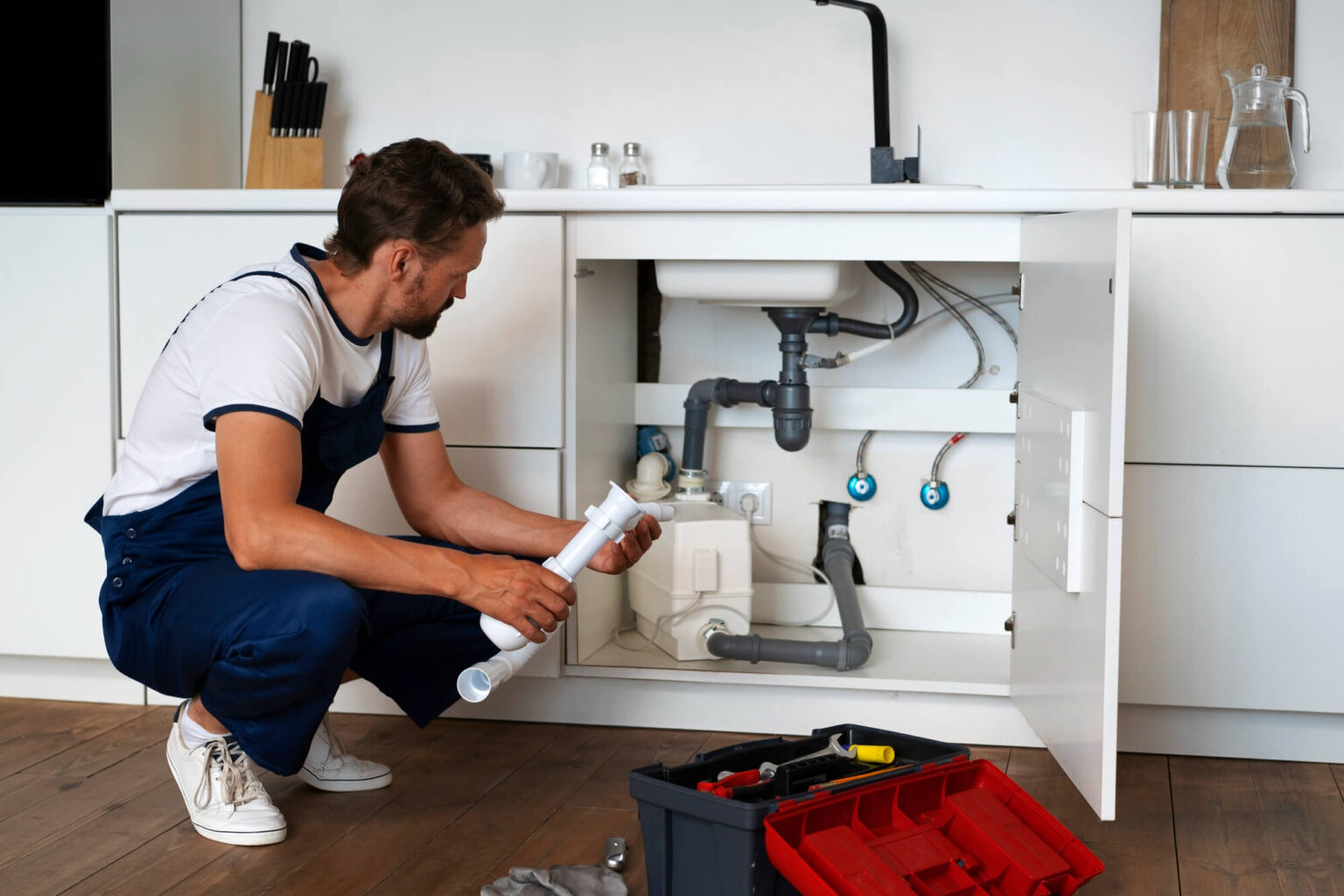
Regular HVAC maintenance is essential for ensuring the efficiency and longevity of heating, ventilation, and air conditioning systems. Proper upkeep not only enhances performance but also reduces the risk of unexpected breakdowns that can lead to costly repairs. As HVAC systems are integral to maintaining comfortable indoor environments, understanding the importance of regular maintenance helps in making informed decisions about service schedules and potential upgrades. With the right strategies, homeowners and businesses can enjoy optimal performance year-round.
The Importance of Regular HVAC Maintenance
Regular maintenance of HVAC systems is a proactive approach to ensuring that the systems operate at peak efficiency. This maintenance includes various checks and routine tasks that help identify potential issues before they escalate. Here are some key benefits:
- Increased Energy Efficiency: Well-maintained systems use less energy, resulting in lower utility bills.
- Extended Equipment Lifespan: Regular servicing prevents wear and tear, prolonging the life of the equipment.
- Improved Air Quality: Routine cleaning and filter replacements ensure cleaner air circulation.
- Reduced Repair Costs: Early detection of issues can prevent costly emergency repairs.
For more detailed insights into maintaining HVAC systems, discover expert strategies here.
Key Components of HVAC Maintenance
Effective HVAC maintenance involves several key components that professionals typically examine. Understanding these components can help in scheduling and planning maintenance activities efficiently.
1. Air Filters
Air filters play a crucial role in maintaining air quality and system efficiency. Dirty or clogged filters can hinder airflow, forcing the system to work harder and consume more energy. Regular replacement or cleaning of filters is essential.
2. Thermostat Calibration
Ensuring that the thermostat is accurately calibrated can significantly impact system performance. A malfunctioning thermostat may lead to uneven heating or cooling, resulting in wasted energy and discomfort.
3. Ductwork Inspection
Leaks or blockages in the ductwork can result in significant energy loss. Regular inspection and sealing of ducts ensure that the conditioned air reaches its intended destination efficiently.
To explore advanced guides and tips on maintaining these components, learn about our tailored solutions.
Scheduling Regular Maintenance
Establishing a regular maintenance schedule is vital for optimal HVAC performance. Typically, it is recommended to service heating systems in the fall and cooling systems in the spring. This timing ensures that systems are prepared for peak usage periods.
- Spring: Focus on cooling systems to prepare for summer heat.
- Fall: Concentrate on heating systems to ensure efficiency during winter.
- Year-Round: Regular checks for air filters, thermostat settings, and ductwork.
For more insights on scheduling and maintenance planning, find out more about this approach.
Professional HVAC Services
Partnering with a professional HVAC service provider ensures that all maintenance tasks are performed correctly and efficiently. Professional technicians have the expertise to identify issues that may not be apparent to the untrained eye and can provide recommendations for system improvements.
Regular professional maintenance can include:
- Comprehensive system inspections.
- Detailed cleaning of components.
- Calibrations and efficiency assessments.
- Safety checks and performance evaluations.
To explore how professional services can benefit your HVAC systems, explore advanced guides and tips.
In conclusion, regular HVAC maintenance is crucial for ensuring system efficiency, longevity, and optimal performance. By understanding the importance of regular checks and partnering with experienced professionals, homeowners and businesses can enjoy a more comfortable and cost-effective indoor environment.
About the Author