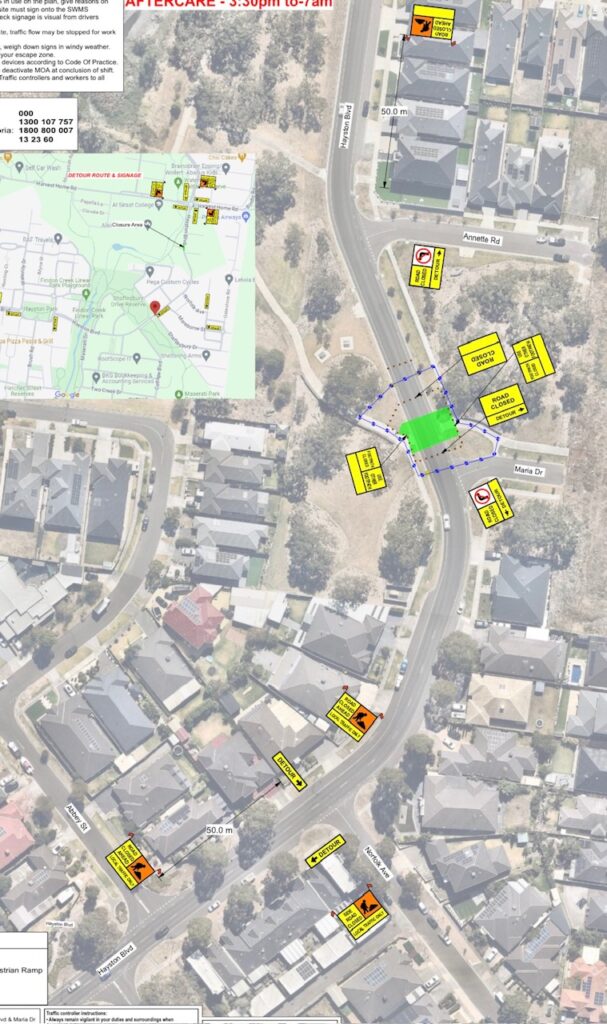
In today’s rapidly urbanizing world, effective traffic management has become a critical component of infrastructure planning. With the proliferation of vehicles on roads, the need for efficient traffic systems has never been more pressing. A well-developed traffic guidance scheme is essential to maintain smooth traffic flow, enhance road safety, and minimize congestion. These systems are designed to optimize the movement of vehicles and pedestrians, ensuring a harmonious coexistence in ever-busy urban settings.
Understanding Traffic Guidance Schemes
A traffic guidance scheme is a strategic framework implemented to direct and manage road traffic. These schemes are meticulously planned to address the specific needs of different areas, considering factors such as road capacity, traffic density, and safety requirements. They are instrumental in:
- Reducing traffic congestion by optimizing signal timing and road usage.
- Enhancing safety through the installation of traffic signs, signals, and road markings.
- Facilitating efficient movement of vehicles and pedestrians with minimal delays.
- Promoting sustainable transport solutions.
Key Components of a Traffic Guidance Scheme
Traffic Signals and Signage
Traffic signals and signage are the most visible elements of any traffic guidance scheme. They play a crucial role in regulating the flow of traffic, preventing accidents, and ensuring road safety. Effective placement and timing of traffic signals can significantly reduce congestion and improve the overall efficiency of the road network.
Road Markings
Road markings are essential for guiding vehicles and pedestrians safely across roads. They provide critical information about lane usage, pedestrian crossings, and other navigational cues. Properly maintained road markings enhance visibility, especially during adverse weather conditions, and contribute to a safer driving environment.
Intelligent Transportation Systems (ITS)
The integration of technology into traffic management has led to the development of Intelligent Transportation Systems (ITS). These systems utilize sensors, cameras, and advanced software to monitor traffic conditions in real-time. ITS can dynamically adjust traffic signals, provide live traffic updates, and suggest alternative routes to mitigate congestion. The adoption of ITS is a key element in modern traffic guidance schemes.
Benefits of Implementing Traffic Guidance Schemes
The implementation of a comprehensive traffic guidance scheme offers numerous benefits, including:
- Improved traffic flow and reduced travel times.
- Enhanced road safety for all users.
- Lower emissions due to decreased vehicle idling and smoother traffic flow.
- Increased economic productivity by reducing delays and transportation costs.
Challenges in Traffic Guidance Scheme Implementation
While the advantages of traffic guidance schemes are clear, their implementation is not without challenges. Urban planners and traffic engineers must navigate:
- Limited funding and resources for infrastructure upgrades and maintenance.
- Balancing the needs of different road users, including vehicles, cyclists, and pedestrians.
- Adapting to changing traffic patterns due to urban growth and development.
- Integrating new technologies into existing infrastructure.
Conclusion
In conclusion, a well-executed traffic guidance scheme is vital for the creation of efficient, safe, and sustainable urban environments. As cities continue to expand and evolve, the role of these schemes in traffic management will become increasingly important. By addressing the challenges and leveraging technological advancements, traffic guidance schemes can significantly improve the quality of urban life, ultimately paving the way for smarter and more resilient cities.
About the Author