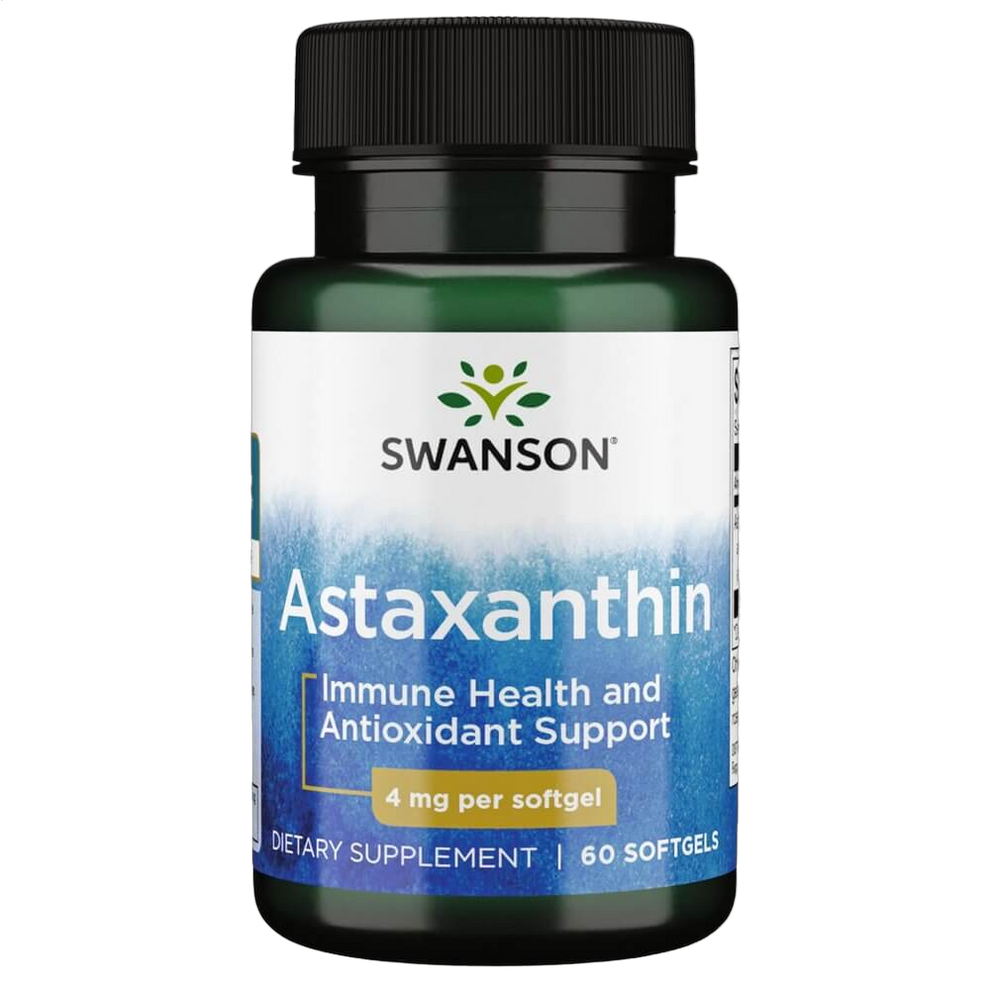
Astaxanthin, a naturally occurring carotenoid found in micro-algae, krill, and salmon, has moved from a niche nutraceutical to a scientifically backed supplement celebrated for its potent antioxidant capacity. For readers across the United Kingdom, understanding the mechanisms behind its benefits is essential before incorporating it into a daily regimen. This article explores the biochemical pathways, clinical evidence, and practical considerations that underpin the growing popularity of the astaxanthin supplement market in the UK.
What Makes Astaxanthin a Unique Antioxidant?
Unlike many antioxidants that operate in a single cellular compartment, astaxanthin’s molecular structure enables it to span cell membranes, providing protection both inside and outside the lipid bilayer. Its conjugated double-bond system captures free radicals more efficiently than vitamin C, vitamin E, or even beta-carotene.
- Cross-membrane activity: Inserts itself into phospholipid layers, stabilising them against oxidative damage.
- Singlet oxygen quenching: Neutralises the most reactive form of oxygen, reducing cellular stress.
- Synergistic action: Works in concert with other antioxidants, regenerating them after they have been oxidised.
Key Health Areas Supported by Astaxanthin
1. Eye Health
The retina is highly exposed to light-induced oxidative stress. Clinical trials have shown that regular intake of astaxanthin can improve visual acuity and reduce eye-fatigue, especially for individuals who spend long hours in front of screens.
- Improves retinal blood flow.
- Reduces oxidative markers linked to age-related macular degeneration.
- Supports tear film stability, alleviating dry-eye symptoms.
2. Skin Protection
UV radiation generates free radicals that accelerate skin ageing. Astaxanthin’s ability to neutralise these radicals translates into visible benefits for skin elasticity and moisture retention.
- Decreases wrinkle depth after 8-12 weeks of supplementation.
- Enhances collagen synthesis, promoting firmer skin.
- Offers photoprotective effects comparable to topical antioxidants.
3. Cardiovascular Support
Oxidised LDL cholesterol is a primary driver of atherosclerosis. By preventing LDL oxidation, astaxanthin contributes to healthier arterial walls and better lipid profiles.
- Lowers triglyceride levels in several controlled studies.
- Improves HDL functionality, aiding cholesterol transport.
- Reduces inflammatory cytokines such as CRP and IL-6.
4. Exercise Recovery and Muscle Endurance
Intense physical activity spikes reactive oxygen species, leading to muscle fatigue. Athletes in the UK have reported faster recovery times and reduced muscle soreness when incorporating an astaxanthin supplement uk into their routine.
- Enhances mitochondrial efficiency, supporting sustained energy output.
- Mitigates post-exercise inflammation.
- Improves endurance performance in both aerobic and anaerobic activities.
Scientific Evidence Behind the Claims
Multiple peer-reviewed studies have examined astaxanthin’s impact on human health. A 2021 meta-analysis of 14 randomised controlled trials concluded that astaxanthin supplementation (4-12″?mg/day) consistently reduced oxidative stress markers by an average of 23″?%.
- Eye health: A double-blind trial involving 60 participants showed a 15″?% improvement in contrast sensitivity after 12 weeks.
- Skin health: A 2018 study reported a 30″?% reduction in wrinkle depth after 10 weeks of 6″?mg daily dosing.
- Cardiovascular markers: Participants with mild hyperlipidaemia experienced a 10″?% drop in LDL oxidation after 8 weeks.
Choosing the Right Astaxanthin Supplement in the UK
When selecting a product, consider the source, dosage, and formulation. Natural astaxanthin derived from Haematococcus pluvialis algae is the most bioavailable form. Liposomal or oil-based capsules improve absorption compared with powdered tablets.
- Purity: Look for third-party testing to confirm the absence of heavy metals and contaminants.
- Dosage range: 4-12″?mg per day is typical; higher doses may be used under professional guidance.
- Synergy: Products that combine astaxanthin with omega-3 fatty acids can enhance cellular uptake.
For those seeking a reliable source, the astaxanthin uk market offers a variety of options that meet UK food-supplement regulations.
Potential Side Effects and Interactions
Astaxanthin is generally well-tolerated, but a few considerations are worth noting:
- May cause a mild orange tint to the skin at very high doses.
- Potential interaction with blood-thinning medications; consult a healthcare professional if on anticoagulants.
- Pregnant or breastfeeding individuals should seek medical advice before use.
How to Incorporate Astaxanthin into a Daily Routine
Consistency is key for antioxidant benefits. Pairing the supplement with a balanced diet rich in polyphenols (berries, leafy greens) can create a comprehensive antioxidant network.
- Take the capsule with a meal containing healthy fats to improve absorption.
- Maintain a regular schedule, morning or evening, based on personal preference.
- Track any changes in energy levels, skin condition, or visual comfort to gauge effectiveness.
Conclusion
Astaxanthin stands out as a scientifically validated antioxidant that addresses several health concerns relevant to modern UK lifestyles, from eye strain and skin ageing to cardiovascular health and athletic performance. By understanding its unique mechanism of action, reviewing the robust clinical evidence, and selecting a high-quality astaxanthin supplements product, readers can make an informed decision about whether this marine-derived compound fits into their wellness strategy.
About the Author