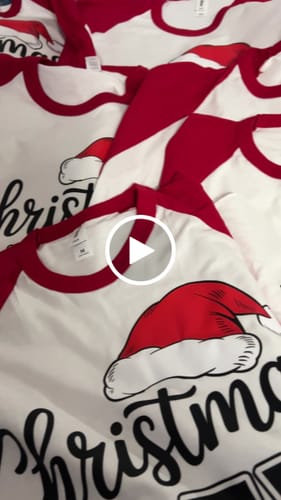
UV DTF printing, an innovative digital printing method, has revolutionized the way designs are transferred onto various materials. Known for its versatility and high-quality output, this technique allows for vibrant colors and fine details. Various industries, from fashion to automotive, have increasingly adopted this technology due to its efficiency and adaptability. This guide explores the intricate details of UV DTF printing, offering insights into its techniques, applications, and benefits.
Understanding UV DTF Printing
UV DTF (Direct to Film) printing is a unique process where a design is printed directly onto a special film. This film is then transferred onto the desired surface using heat and pressure. Unlike traditional methods, uv dtf printing requires no pretreatment, making it suitable for a wide range of substrates.
Key Features of UV DTF Printing
- High-resolution output with vibrant colors.
- Ability to print on various materials, including textiles, leather, and plastics.
- Environmentally friendly due to reduced ink wastage.
- Durable prints that are resistant to scratches and fading.
The UV DTF Printing Process
The process of UV DTF printing involves several critical steps that ensure the transfer of high-quality images onto surfaces. Here’s a breakdown of the process:
Design Preparation
The initial step involves creating the design using graphic software. It’s essential to consider the resolution and color profile to ensure the final print meets the desired quality standards.
Printing on the Film
Once the design is ready, it is printed onto a special film using UV DTF printers. These printers use UV-sensitive inks that cure instantly upon exposure to UV light, ensuring sharp and vibrant prints.
Transfer and Curing
The printed film is then aligned on the target substrate. Heat and pressure are applied to transfer the ink from the film to the material. The UV curing process ensures that the ink firmly adheres to the surface, resulting in a durable print.
Applications of UV DTF Printing
Due to its adaptability, UV DTF printing finds applications across various industries. Some notable applications include:
- Fashion and Apparel: Custom t-shirts, bags, and other fabric items.
- Automotive: Decals and interior decoration.
- Home Decor: Customized wall arts and furnishings.
- Promotional Products: Corporate gifts and personalized merchandise.
Advantages of UV DTF Printing
The benefits of using UV DTF printing techniques are numerous, making it a preferred choice for both small and large-scale production. Some of the advantages include:
- Quick turnaround time due to the elimination of drying periods.
- Cost-effectiveness, particularly for short runs and custom designs.
- Enhanced design possibilities with the ability to print complex images and gradients.
- Reduced environmental impact with minimal waste and low energy consumption.
Challenges and Considerations
While UV DTF printing offers numerous advantages, it’s important to consider potential challenges such as the need for specialized equipment and materials. Additionally, maintaining consistent quality requires a thorough understanding of the printing process and regular equipment maintenance.
Conclusion
UV DTF printing stands out as a versatile and efficient method for transferring intricate designs onto various surfaces. Its ability to produce high-quality, durable prints makes it a valuable tool for industries seeking innovative printing solutions. As technology advances, the future of UV DTF printing looks promising, with continuous improvements in equipment and materials enhancing its capabilities.
About the Author