In the relentless pursuit of marginal gains, cyclists are turning to aerodynamic (aero) gear that does more than just reduce drag, it enhances power transfer, improves comfort, and refines handling. Modern aero components are the result of sophisticated wind-tunnel testing, computational fluid dynamics, and material science breakthroughs. When every watt counts, the right combination of frames, wheels, helmets, and clothing can shave seconds off a race, translate into higher average speeds, and ultimately give riders that elusive edge. The following overview explores the most impactful innovations and explains how they can be integrated into a performance-focused setup.
Advanced Frame Designs
Integrated Cable Routing and Hidden Tubes
Traditional external cables create turbulent airflow. Contemporary frames now feature fully internal routing, eliminating protrusions that disturb laminar flow. Hidden tubes also allow for cleaner aesthetics while maintaining structural integrity.
- Reduced drag coefficient by up to 5% compared to legacy designs.
- Improved stiffness-to-weight ratio thanks to carbon-fiber layup optimization.
- Lower maintenance requirements, cables are protected from the elements.
Tri-Shape and Aero-Optimized Tubing
Modern geometry departs from round tubes in favor of airfoil or tapered shapes that align with the rider’s airflow. These profiles are strategically placed where the bike experiences the highest aerodynamic loads.
- Tri-shape tubing at the front triangle cuts cross-sectional drag.
- Aero-optimized rear stays preserve rear-wheel stability while minimizing drag.
- Manufacturers often use high-modulus carbon for added rigidity without weight penalties.
Wheel Technology
Deep-Section Rims with Variable Depth
Deep rims have become a staple for aero cyclists, but the latest models feature variable depth, deeper in the front for high-speed stability and shallower at the rear to reduce side-wind sensitivity.
- Depths ranging from 45mm to 80mm allow fine-tuning based on terrain and wind conditions.
- Internal spoke tensioning systems improve wheel roundness and durability.
- Carbon layups with strategic reinforcement zones keep weight low while enhancing impact resistance.
Tubeless and Sealed-Air Systems
Eliminating inner tubes reduces rotational mass and friction. Sealed-air technologies further improve ride quality by maintaining consistent pressure and eliminating puncture risk.
- Lower rolling resistance translates to measurable time savings over long distances.
- Improved heat dissipation helps maintain optimal tire performance during sustained efforts.
- Integrated rim strips simplify maintenance and reduce setup time.
Aero Helmet Innovations
Integrated Visor and Ventilation Balancing
New helmet shells incorporate a low-profile visor that reduces frontal area while preserving airflow to the brain-cooling vents. Computational fluid dynamics ensures that vent placement does not compromise aerodynamic efficiency.
- Drag reduction of up to 3% versus classic aero helmets.
- Enhanced cooling performance maintains core temperature during high-intensity intervals.
- Adjustable fit systems improve rider comfort for longer rides.
Carbon-Fiber Shells with Acoustic Dampening
Carbon shells are now engineered with internal acoustic layers that dampen wind noise, a subtle benefit that improves rider focus.
- Weight savings of 150-200 grams compared with traditional polycarbonate shells.
- Noise reduction contributes to a more relaxed riding experience.
- Integrated mounting points for cameras and communication devices keep the rider’s setup clean.
Performance-Focused Clothing
Seamless Compression Fabrics
Modern aero kits use seamless knitting techniques that eliminate stitching, a major source of drag. Compression zones support muscle groups, delaying fatigue.
- Drag reduction of roughly 2% compared with conventional sewn apparel.
- Moisture-wicking fibers keep skin dry, reducing chafing on long rides.
- Strategic compression improves blood flow, aiding recovery between intervals.
Integrated Aerodynamic Accessories
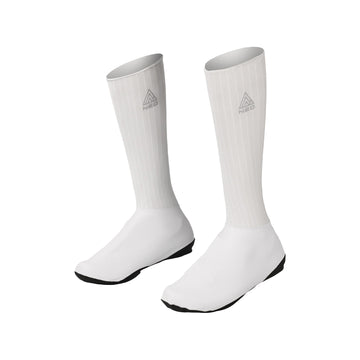
Accessories such as shoe covers, arm warmers, and aero-shaped water bottles are now designed to fit within the rider’s aerodynamic envelope rather than disrupt it.
- Low-profile shoe covers streamline the foot-ankle region.
- Hydration bottles with tapered shapes reduce frontal area.
- Magnetic mounts for devices keep cables hidden and maintain a clean silhouette.
Putting It All Together: A Systematic Approach
Choosing the right combination of aero gear requires a data-driven mindset. Riders should assess their typical riding conditions, budget constraints, and performance goals before investing. The following checklist can guide the decision-making process:
- Identify the most frequent wind conditions and select wheel depth accordingly.
- Prioritize frame geometry that matches the rider’s position and flexibility.
- Test helmet fit and ventilation in both warm and cool environments.
- Choose clothing that offers both aerodynamic advantage and comfort for the intended duration.
- Consider modular accessories that can be added or removed based on race strategy.
For deeper insight into how each component interacts within the overall system, Discover expert strategies here. Detailed case studies illustrate real-world performance gains when these innovations are applied cohesively.
When it comes to fine-tuning an aero setup, ongoing education is essential. Explore advanced guides and tips that cover wind-tunnel testing methods, CFD analysis basics, and the latest material trends. Staying current ensures that marginal gains become consistent, measurable improvements.
Finally, cyclists seeking a holistic solution can benefit from tailored recommendations that consider individual biomechanics, riding style, and competitive objectives. Learn about our tailored solutions to receive a personalized roadmap that aligns cutting-edge technology with personal performance targets.
In the world of high-performance cycling, the difference between victory and a close finish often lies in the smallest aerodynamic advantage. By integrating the latest frame designs, wheel technologies, helmets, and apparel, riders can unlock measurable gains without compromising comfort or control. Embrace these innovations, test them rigorously, and watch marginal improvements accumulate into a decisive competitive edge.
About the Author