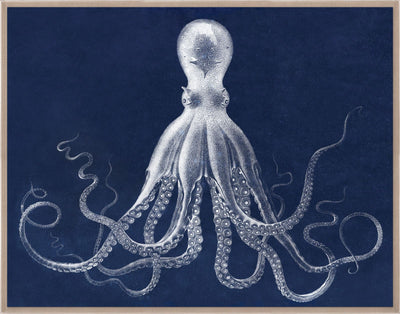
Paule Marrot’s signature patterns have long captivated designers, collectors, and interior enthusiasts alike. Rooted in a deep appreciation for organic forms and vivid color palettes, her work translates the subtle rhythms of nature into timeless textiles. By examining the historical context, design principles, and contemporary applications of Marrot’s motifs, this article reveals how her legacy continues to inspire modern interiors and why the Natural Curiosities collection remains a vital reference for those seeking authentic, nature-inspired d??cor.
Historical Foundations of Marrot’s Design Language
Born in 1902, Paule Marrot emerged during a period of artistic experimentation that blended Art Deco’s elegance with emerging modernist ideals. Her early exposure to botanical illustration and French textile traditions fostered a unique visual vocabulary that celebrated:
- Organic silhouettes drawn from leaves, flowers, and marine life.
- Bold, saturated hues that echo natural pigments.
- Repetitive yet fluid patterns that maintain visual harmony.
These elements not only defined her signature style but also set a precedent for sustainable design practices that prioritize natural inspiration over synthetic trends.
Core Characteristics of Marrot’s Signature Patterns
1. Botanical Precision
Marrot’s sketches often resemble scientific illustrations, yet they retain an artistic softness. Each leaf or blossom is rendered with meticulous line work, allowing the pattern to feel both accurate and whimsical.
2. Color Storytelling
Rather than relying on generic palettes, Marrot selected colors that mirrored specific ecosystems, emeralds for rainforests, ochres for desert flora, and deep blues for coastal scenes. This approach creates an immersive experience, inviting viewers to step into the environment the pattern evokes.
3. Modular Repetition
Her designs employ a modular grid that repeats seamlessly, making them adaptable for various scales, from small upholstery swatches to expansive wall coverings. This versatility is a key reason why contemporary designers still turn to her work for flexible solutions.
Modern Applications in Interior Design
Today’s interior designers harness Marrot’s motifs to infuse spaces with a sense of natural wonder while maintaining a sophisticated aesthetic. The following applications illustrate how her patterns can be integrated without overwhelming a room:
- Textile Accents: Cushions, drapery, and upholstered chairs featuring her leaf motifs add subtle visual interest.
- Wall Treatments: Large-scale wallpaper installations create feature walls that become conversation pieces.
- Soft Furnishings: Bed linens and throws that echo marine patterns bring a calming, coastal vibe to bedrooms.
For designers seeking curated resources, Discover expert strategies here offers a curated selection of fabrics and d??cor items that echo Marrot’s philosophy, ensuring a cohesive and authentic implementation.
Integrating Marrot’s Patterns with the Natural Curiosities Collection
The Natural Curiosities collection draws direct inspiration from Marrot’s love of the natural world, providing ready-made solutions that align with her design ethos. When selecting pieces, consider the following guidelines:
- Scale Appropriately: Pair large-scale prints with minimal furniture to avoid visual clutter.
- Balance Color: Use neutral backgrounds to let the vibrant pattern become the focal point.
- Mix Textures: Combine smooth silk prints with textured linen or woven rugs for depth.
To explore specific product recommendations, Learn about our tailored solutions and discover items that translate Marrot’s botanical elegance into contemporary living spaces.
Preserving the Legacy: Sustainable Practices and Ethical Production
Marrot’s reverence for nature extends beyond visual aesthetics; it encompasses a responsibility toward ecological stewardship. Modern manufacturers echo this principle by adopting sustainable sourcing, low-impact dyes, and ethical labor standards. When choosing textiles, look for certifications that guarantee:
- Organic cotton or linen fibers.
- Water-based, non-toxic inks.
- Fair-trade production processes.
Brands that align with these values often provide additional educational content. For deeper insight into sustainable design methods, Explore advanced guides and tips that detail the intersection of eco-friendly practices and high-end design.
Case Study: A Boutique Hotel Revitalized with Marrot-Inspired Design
A recent renovation of a boutique hotel in Provence illustrates the transformative power of Marrot’s patterns. The design team employed a muted version of her signature leaf print across the lobby’s upholstered seating, while guest rooms featured a scaled-down version on accent walls. The result was a harmonious blend of historic charm and modern comfort, earning praise for its thoughtful integration of natural motifs.
Key outcomes included:
- Increased guest satisfaction scores related to ambiance.
- Higher social media engagement due to the visually striking interiors.
- Recognition from design publications for sustainable material choices.
Details of the fabrics and finishes used can be found at Find out more about this approach, where curated selections mirror the hotel’s aesthetic.
Conclusion: Continuing the Dialogue Between Nature and Design
Paule Marrot’s signature patterns serve as a timeless bridge between the organic world and refined interior design. By studying her approach, precision, color storytelling, and modular repetition, design professionals can create spaces that feel both grounded and aspirational. The Natural Curiosities collection offers a practical gateway to this legacy, providing high-quality, sustainably produced textiles that honor Marrot’s vision while meeting contemporary standards. Embracing these principles not only elevates aesthetic appeal but also reinforces a commitment to environmental responsibility, ensuring that the dialogue between nature and design endures for generations to come.
About the Author